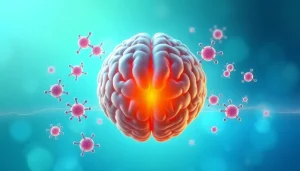
Does Astaxanthin Cross Blood Brain Barrier? Understanding Its Neuroprotective Benefits
Understanding Astaxanthin and Its Sources
What is Astaxanthin?
Astaxanthin is a powerful carotenoid pigment that gives certain foods, like salmon and shrimp, their iconic reddish hue. This antioxidant is naturally produced by various microalgae and accumulates in aquatic organisms. Astaxanthin is renowned not just for its vibrant color, but more importantly for its impressive array of health benefits, particularly in its role as an antioxidant that combats oxidative stress.
Natural Sources of Astaxanthin
Astaxanthin can primarily be found in marine environments. The most significant source is the microalga Haematococcus pluvialis, which synthesizes large amounts of this compound when under stress. Other rich sources include wild-caught salmon, krill, shrimp, and crab. Additionally, certain types of trout and red yeast rice also contain astaxanthin, albeit in smaller amounts. These natural sources not only highlight the importance of a seafood-based diet but also underline the potential of astaxanthin supplementation for those who consume less seafood.
The Benefits of Astaxanthin on Health
Astaxanthin boasts several health benefits, primarily due to its antioxidant properties. It is known to support skin health by reducing signs of aging, enhance eye health by protecting against damage from UV light, and promote cardiovascular health through anti-inflammatory effects. Furthermore, studies suggest that astaxanthin might improve endurance and recovery in athletes, making it a suitable option for those seeking to enhance their physical performance.
Does Astaxanthin Cross Blood Brain Barrier?
The Science Behind the Blood-Brain Barrier
The blood-brain barrier (BBB) is a protective gateway that shields the brain from potentially harmful substances while allowing necessary nutrients to pass through. It consists of tightly packed endothelial cells that create selective permeability. This structure is vital for maintaining the brain’s microenvironment. However, it also poses a challenge for therapeutic interventions. The ability of certain compounds to cross the BBB is crucial, particularly for neuroprotective agents like astaxanthin.
Research Findings on Astaxanthin
Recent studies have shed light on does astaxanthin cross blood brain barrier. Evidence indicates that astaxanthin can cross the BBB due to its lipid-soluble nature, enabling it to exert potential neuroprotective effects. Animal studies have demonstrated increased levels of astaxanthin in the brain tissue after systemic administration, pointing to its potential as a therapeutic agent for neurodegenerative diseases.
Potential Mechanisms of Action
Astaxanthin’s neuroprotective effects are attributed to its ability to reduce oxidative stress, improve mitochondrial function, and modulate inflammation. By inhibiting the production of reactive oxygen species (ROS) and supporting cellular energy metabolism, astaxanthin may protect neurons from damage. Additionally, its anti-apoptotic effects can help preserve neuronal integrity in the face of neurodegenerative challenges.
Health Implications of Astaxanthin Crossing the Barrier
Neuroprotective Benefits of Astaxanthin
Given its capacity to cross the BBB, astaxanthin presents exciting opportunities for brain health. Its potent antioxidant properties can help protect neurons from oxidative damage, a contributing factor in conditions like Alzheimer’s and Parkinson’s diseases. Furthermore, astaxanthin may enhance cognitive functions by maintaining neuroplasticity and improving communication between neurons.
Astaxanthin and Cognitive Function
Studies suggest that astaxanthin may play a significant role in cognitive function and memory retention. By fostering an environment that supports neurogenesis, astaxanthin can be beneficial for maintaining cognitive health as we age. Its unique ability to mitigate inflammation and support blood flow in the brain further enhances its potential to improve mental clarity and focus.
Impacts on Brain Health
The implications of astaxanthin’s neuroprotective properties extend beyond cognitive function; they also encompass mood regulation and overall mental well-being. Research indicates that effective antioxidant levels in the brain can positively influence mood and emotional stability, reducing anxiety and depression symptoms. Thus, astaxanthin stands out not only for its healing benefits but also for its promise in fostering a healthier brain environment.
How to Incorporate Astaxanthin in Your Diet
Dietary Supplements vs. Food Sources
Individuals seeking to incorporate astaxanthin into their diets can choose between natural sources from foods and dietary supplements. Food sources, such as wild salmon and algae-based supplements, provide naturally occurring astaxanthin and are preferable for those looking to enhance their overall nutrient intake. Supplements, on the other hand, can offer higher doses of astaxanthin for those specifically targeting its benefits, like athletes or individuals with specific health concerns.
Recommended Dosage and Intake
While there is no established recommended daily allowance for astaxanthin, research suggests a dosage of 4 to 12 mg per day may yield health benefits. It’s essential to consult a healthcare professional to determine the right dosage tailored to individual health needs and objectives, especially if one considers astaxanthin supplementation.
Safety and Side Effects
Astaxanthin is generally considered safe for most individuals when consumed through food or supplements. As with any dietary addition, some people might experience mild side effects such as stomach upset or changes in pigmentation of skin when taken in excessive amounts. Always consult with a healthcare provider before starting any new supplement to avoid any adverse reactions, especially if you are pregnant, nursing, or have existing health conditions.
FAQs About Astaxanthin and the Blood Brain Barrier
Can astaxanthin improve mental clarity?
Yes, astaxanthin may enhance mental clarity by reducing oxidative stress in the brain and promoting neuronal health, potentially resulting in improved focus and cognitive function.
Is astaxanthin safe for long-term use?
Astaxanthin is generally safe for long-term use at recommended dosages. However, it’s best to consult a healthcare professional, especially for ongoing supplementation.
How does astaxanthin compare to other antioxidants?
Astaxanthin is considered one of the most potent antioxidants, outperforming many others like vitamin C and vitamin E, particularly regarding its ability to cross the blood-brain barrier and protect neuronal health.
What are the best food sources of astaxanthin?
The best food sources of astaxanthin include wild-caught salmon, krill, shrimp, and algae. These foods provide significant amounts of this beneficial carotenoid.
Can astaxanthin enhance athletic performance?
Yes, astaxanthin may enhance athletic performance by improving endurance, reducing inflammation, and promoting quicker recovery post-exercise, making it a popular supplement among athletes.