Hidden Advantages of Subway Service Alerts in Urban Transit for 2026
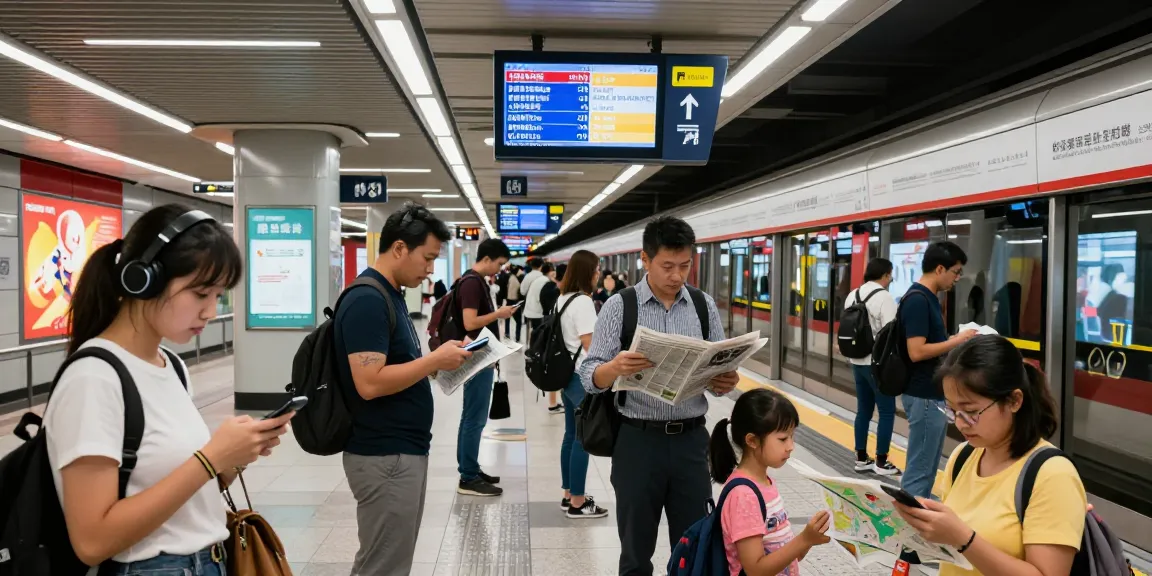
The Importance of Subway Service Alerts for Commuters
In today’s fast-paced urban environment, effective transportation is paramount for commuters who depend on subways as their primary mode of travel. Among the myriad of tools available to enhance the commuting experience, subway service alerts stand out as crucial systems that provide real-time updates on service status, delays, and emergencies. By leveraging real-time data, these alerts empower riders to make informed decisions about their travel routes, ultimately affecting overall satisfaction and efficiency.
Understanding Subway Service Alerts
Subway service alerts are notifications that inform passengers about current operational conditions on subway lines. These encompass a range of information, including delays, service interruptions, weather-related changes, and emergency notices. With the advent of technology, particularly GTFS-Realtime, agencies can now provide timely and accurate updates directly to commuters through various platforms.
How Real-Time Updates Enhance Commuter Experience
Real-time updates allow commuters to anticipate delays and plan their routes effectively. By integrating real-time data feeds, transit authorities can keep passengers informed of service changes as they occur. This level of transparency fosters a more positive commuting experience, as passengers feel more in control of their travel plans.
Impact on Travel Planning and Time Management
Having access to accurate and timely subway service alerts enables commuters to optimize their travel plans. For instance, if a service alert indicates a train delay, commuters can seek alternative routes or prepare for longer wait times. This proactive approach not only minimizes frustration but also helps individuals manage their time more efficiently, reducing the likelihood of tardiness for work or appointments.
Technology Behind Subway Service Alerts
Overview of GTFS-Realtime Standard
The General Transit Feed Specification (GTFS) is a standardized format used by transit agencies for sharing data. GTFS-Realtime specifically enhances this by allowing agencies to transmit ongoing updates regarding their services. This technology underpins many modern subway service alerts, ensuring that the information passed to commuters is both relevant and current.
Data Integration from Transit Agencies
Subway Today employs GTFS-Realtime to pull live data from various transit agencies. By collecting trip updates, vehicle positions, and service alerts every 30 seconds, the platform can provide real-time arrival boards customized for each station. This integration ensures that all the data is accurate, reflecting the latest conditions and effectively enhancing the commuter experience.
Updates and Maintenance of Service Alerts
Regular updates and maintenance of service alerts are critical for reliability. Agencies monitor systems continuously, ensuring that any changes in service are communicated promptly. Furthermore, as static schedule data is updated daily, passengers can rely on the system even if live feeds experience temporary interruptions. This dual approach safeguards against misinformation and keeps commuters informed.
Benefits of Implementing Subway Service Alerts
Improved Safety and Security for Riders
One of the primary benefits of subway service alerts is enhanced safety. Alerts regarding emergencies, safety hazards, or incidents are communicated instantly to keep passengers informed. This rapid dissemination of information can be vital during critical situations, allowing riders to make safe choices and remain aware of surroundings.
Reducing Delays through Timely Notifications
Timely notifications about service disruptions can significantly reduce delays for passengers. When alerts about delays are issued before commuters reach the station, they can adjust their travel plans accordingly. This proactive communication can lead to a measurable decrease in overall travel time.
Influencing Ridership and Public Transportation Usage
Efficient subway service alerts can positively influence ridership levels. When commuters trust that they will receive accurate and timely information, they are more likely to choose public transportation over personal vehicles. This shift not only benefits the commuter but also reduces traffic congestion and environmental impact, promoting a more sustainable urban ecosystem.
Challenges and Limitations of Current Systems
Common Issues with Data Accuracy
Despite the benefits, there are challenges related to data accuracy in service alerts. Discrepancies can arise between the live data and actual service conditions due to technical faults, leading to passenger frustration. Ensuring consistency and reliability in the data feeds from transit agencies is paramount for maintaining commuter trust.
Technical Difficulties and Service Outages
Technical difficulties can sometimes hinder the effective delivery of subway service alerts. System outages, server errors, or connectivity issues can disrupt the flow of information, impeding the ability of commuters to access critical updates. Transit agencies must invest in robust infrastructure and rapid-response teams to address such problems quickly.
Public Awareness and Accessibility of Alerts
Even with the best systems in place, the effectiveness of subway service alerts hinges on public awareness. Many commuters may not be aware of the available information channels or how to utilize the alerts effectively. Educational campaigns and user-friendly interfaces are essential to ensure that all riders, regardless of technical proficiency, can access these vital updates.
The Future of Subway Service Alerts (2026 and Beyond)
Emerging Technologies for Enhanced Alerts
Looking towards the future, emerging technologies such as artificial intelligence and machine learning may enhance subway service alerts further. Predictive analytics could allow transit authorities to forecast potential delays before they occur, offering preemptive alerts to commuters. This level of foresight would revolutionize how service disruptions are communicated, leading to an even more streamlined travel experience.
Predictions for User Engagement and Feedback
As technology progresses, user engagement with subway service alerts is expected to increase. Enhanced mobile applications that allow for personalized notifications based on commuter habits and preferences may become the norm. Furthermore, feedback mechanisms can foster a two-way communication channel between transit agencies and the public, enabling continuous improvement of alert systems.
Integration with Smart City Initiatives
The integration of subway service alerts with larger smart city initiatives will likely transform urban transportation. These systems can provide real-time data that interfaces with other public services, contributing to a holistic approach to urban planning and mobility. As cities continue to evolve, the role of technology and real-time information will only grow in significance.
What Are Subway Service Alerts and How Do They Work?
Subway service alerts are notifications that inform riders about the operational status of subway lines. They utilize data from GTFS-Realtime, ensuring alerts are timely and relevant. This approach allows commuters to stay updated on any changes, improving their overall travel experience.
What Are the Benefits of Subway Service Alerts for Daily Commuters?
For daily commuters, subway service alerts provide numerous benefits, including enhanced time management, improved safety, and greater confidence in public transport systems. By delivering real-time information, these alerts allow users to navigate their journeys more efficiently and with less stress.
How Can Riders Stay Updated on Subway Service Alerts?
To stay updated on subway service alerts, riders can utilize various platforms, including mobile apps, transit authority websites, and social media channels. Many transit agencies also offer push notifications and SMS alerts for users who prefer real-time updates on their mobile devices.
What Challenges Do Transit Agencies Face with Service Alerts?
Transit agencies face several challenges with service alerts, including data accuracy, technical failures, and public awareness. Ensuring that information is reliable and readily accessible to all commuters is critical to the success of these systems.
How Will Technology Shape the Future of Subway Service Alerts?
As technology continues to evolve, it will play a significant role in shaping the future of subway service alerts. Innovations such as AI-driven predictive analytics, enhanced user interfaces, and integration with smart infrastructures will all contribute to a more efficient and responsive public transportation system.